Aging is not merely about graying hair and deepening wrinkles; it is also a quiet, progressive decline in physiological function. With advancing age, the “three major adversaries” for the vast majority of older adults become degenerative joint changes leading to osteoarthritis, loss of muscle mass leading to sarcopenia, and nerve compression leading to chronic pain. For the elderly, pain is more than physical discomfort—it is a primary eroder of independent living. When knee pain prevents squatting to use the toilet, or low back pain makes sitting and reading unbearable, quality of life plummets. Pharmacological treatments often carry risks of gastrointestinal irritation and dizziness, while frequent trips to hospital‑based physical therapy represent a significant physical burden for those with limited mobility. Consequently, home‑based, low‑impact, non‑pharmacological electrophysical rehabilitation devices are emerging as a vital technological support for preserving dignity and well‑being in the silver years.
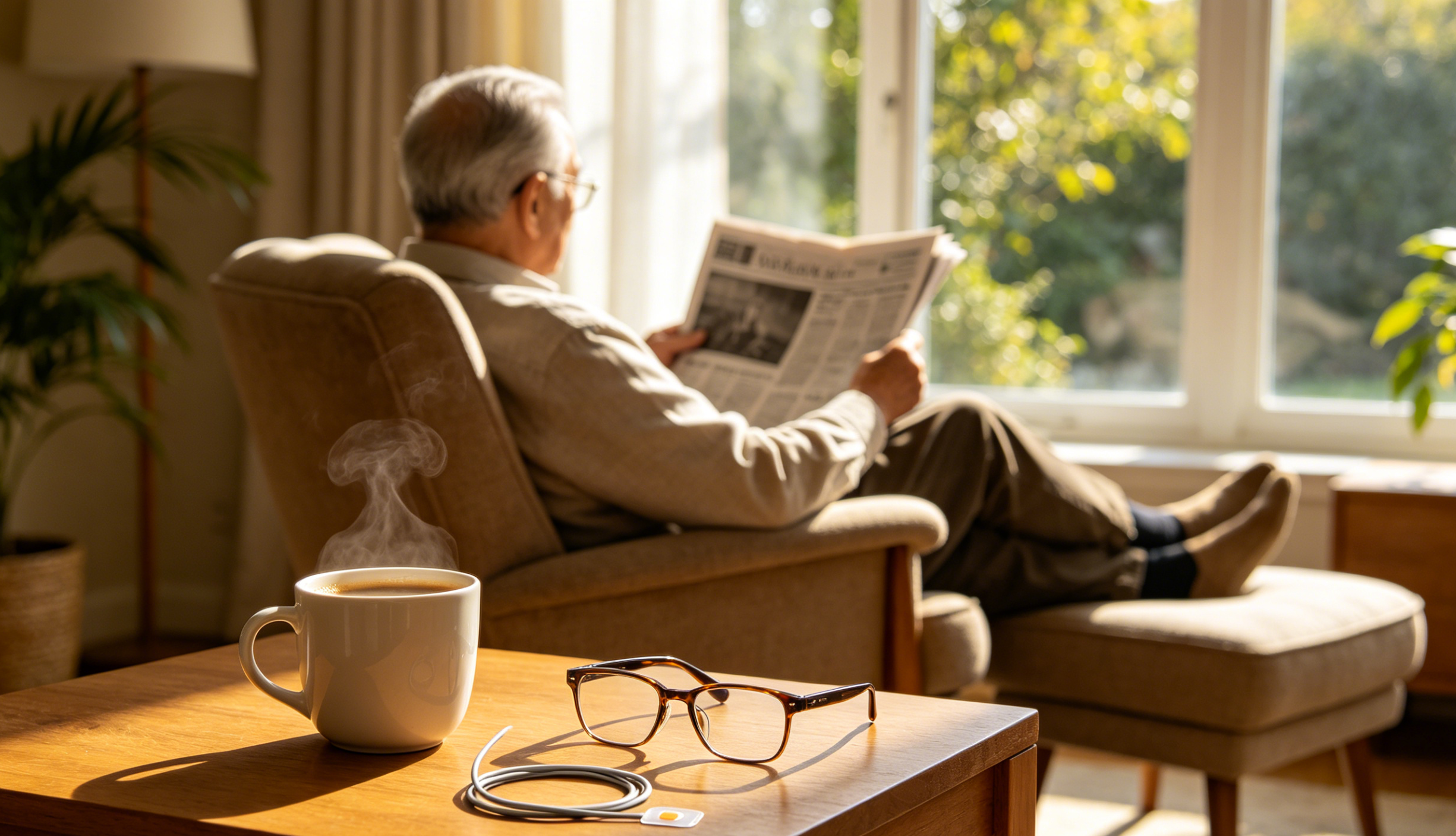
Low‑ and Medium‑Frequency Electrotherapy: A “Gentle Current Bath” for Aging Joints
The most prevalent source of pain in elderly patients is degenerative osteoarthritis, particularly of the knee. Narrowing of the joint space, cartilage wear, and atrophy of surrounding muscles combine to make every step a source of friction and ache. For this population, low‑ and medium‑frequency electrotherapy (including TENS and specific EMS modalities) demonstrates unique suitability for several reasons:
- 1
Deep Heating and Circulatory Enhancement: Unlike a hot towel that warms only the skin’s surface, specific interferential or modulated medium‑frequency currents can penetrate the subcutaneous fat layer to generate warmth deep within the joint. This endogenous heating effect dilates microvasculature and accelerates the circulation of synovial fluid. For older adults, this is akin to performing a deep “internal warm‑up” for stiff joints upon waking, significantly shortening the duration of morning stiffness.
- 2
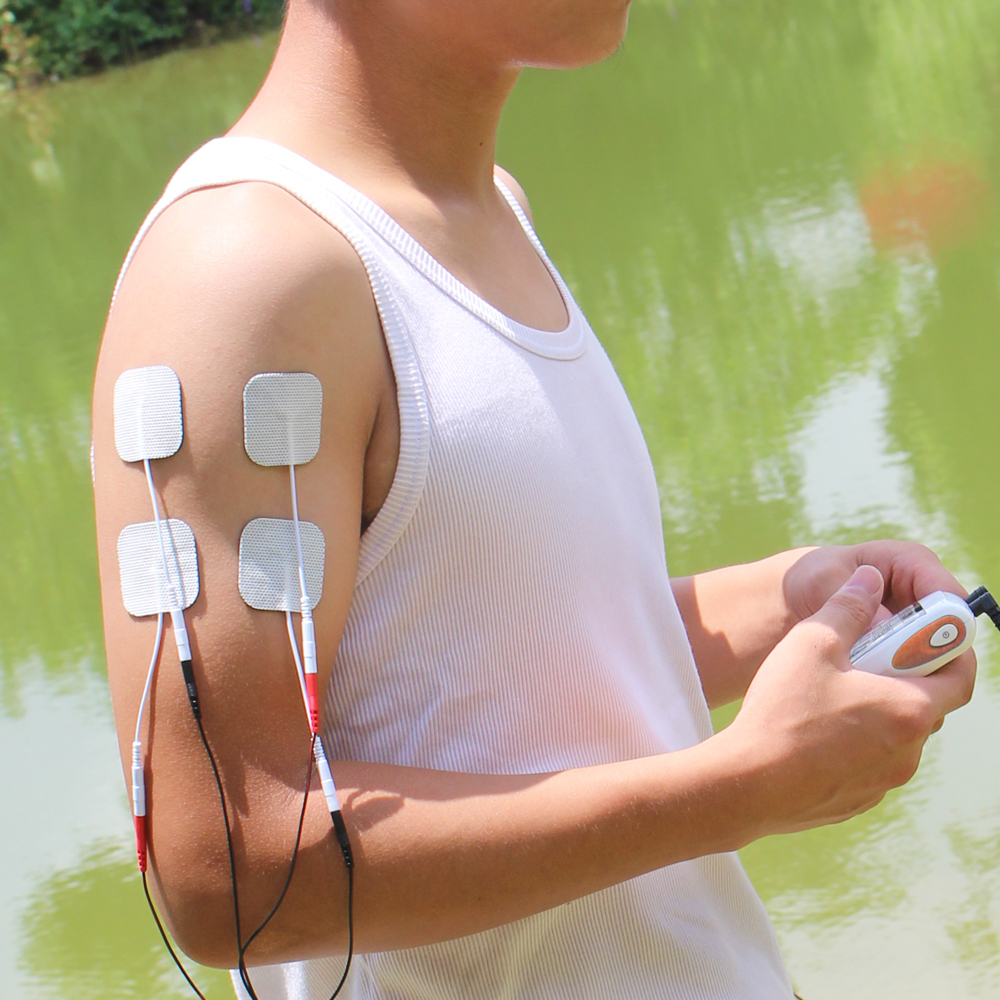
Activating the “Muscular Shock Absorber”: Knee stability depends not only on ligaments but critically on the quadriceps muscle, which acts as a natural “shock absorber.” In older adults, quadriceps strength is often only half of what it was in youth. Due to joint pain, they cannot perform squats to strengthen this muscle. This is where EMS proves valuable. While sitting and watching television, the application of electrode pads and gentle current can induce rhythmic muscle contractions. Consistent use, even if gains in maximal strength are modest, can improve muscle tone and local circulation, thereby offloading significant stress from the joint and noticeably reducing the sensation of “bone grinding on bone” during ambulation.
A 2026 Frontier Perspective: “Central + Peripheral” Combined Intervention
In 2026, a notable study led by Professor Song Qipeng and colleagues in China introduced a novel approach to analgesia for knee osteoarthritis in the elderly. The research recognized that purely peripheral interventions (such as TENS relieving local knee pain) sometimes yield insufficiently durable effects because the central brain regions that process pain also become sensitized in older individuals. The study explored combining TENS (peripheral stimulation) with transcranial direct current stimulation (tDCS), which modulates cortical excitability. The results indicated that this “top‑down (central) combined with bottom‑up (peripheral)” strategy produced superior improvements in long‑term chronic pain among elderly patients. While tDCS requires administration in a professional setting, this research highlights an important direction: for home‑based rehabilitation, consistent use of TENS/EMS devices to modulate local muscles and circulation itself provides positive feedback and soothing input to the central nervous system.
Home Safety: Details Not to Be Overlooked
Although electrotherapy devices are relatively safe, older adults should observe several important precautions when using them at home: First, due to potentially diminished skin sensation, avoid blindly increasing the current intensity in pursuit of a stronger sensation, as this risks low‑temperature burns. Second, move slowly when rising after treatment to prevent falls caused by sudden muscle contraction or postural hypotension. Third, always avoid placement over the carotid sinus and the precordial (heart) area. In the design of Roovjoy Medical products, features such as clear, large‑font displays and keypad lock functions are intentionally incorporated to make operation simple and intuitive, thereby alleviating any apprehension elderly users may have toward complex electronic devices. We strive to let technology carry a measure of warmth as it safeguards their tranquil later years.
Post time: Mar-19-2026