Chronic pain is a silent global pandemic. According to data published in The Lancet, nearly two billion people worldwide suffer from recurrent tension headaches, intractable low back pain, degenerative arthritis, and neuropathic pain conditions. For decades, the mainstay of pain management has been chemical pharmacotherapy—ranging from over‑the‑counter ibuprofen to prescription opioid analgesics requiring special controlled‑substance authorization. However, as we progress through the third decade of the 21st century, the global medical community is undergoing a profound paradigm shift in pain management: moving from “drug dependence” toward “physical intervention.” Within this transformation, TENS technology, by virtue of its safety, drug‑free nature, and user autonomy, has stepped into the spotlight.
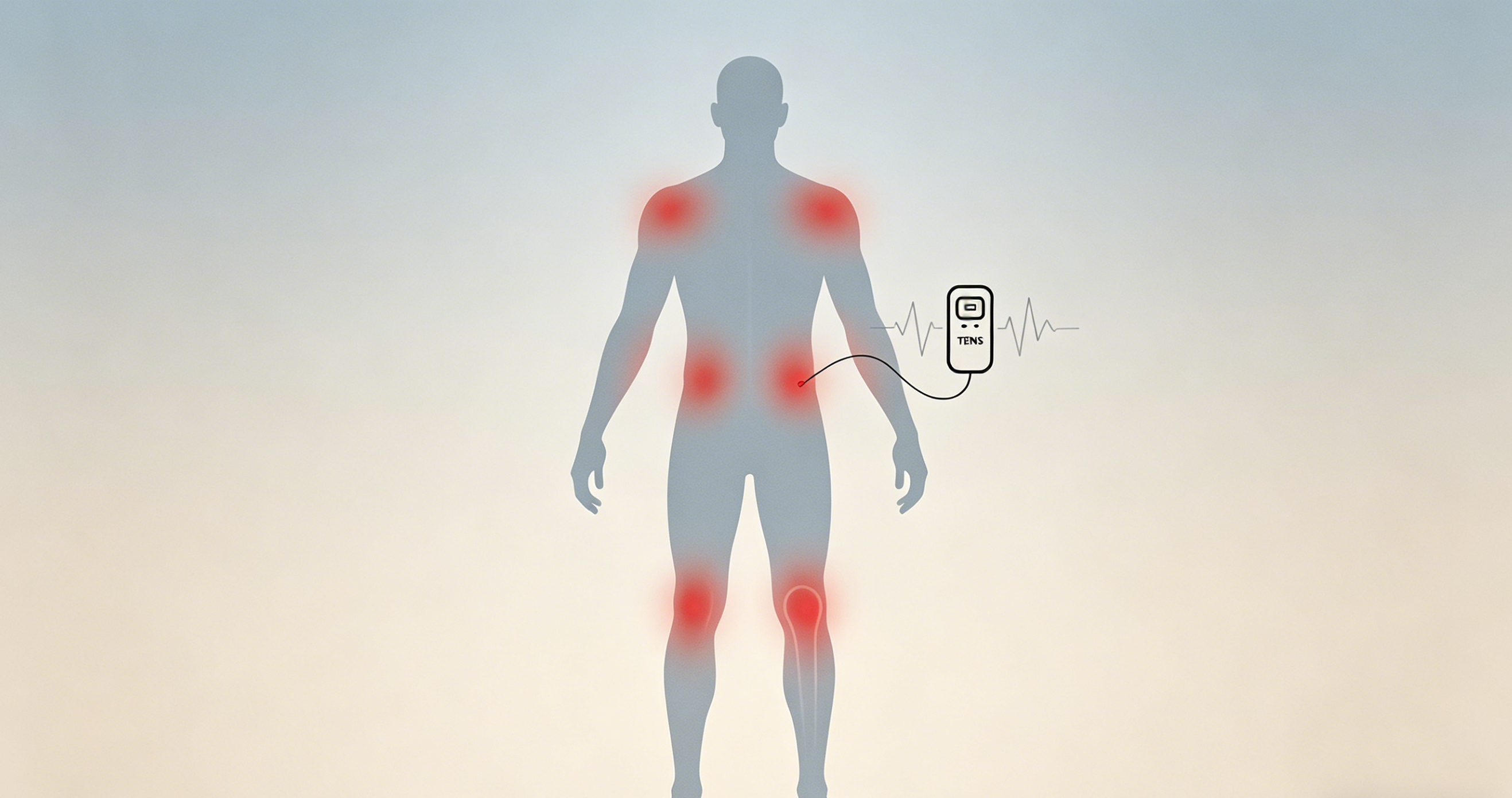
The Shadow of Opioids and the Rise of Alternative Therapies
Over the past two decades, the opioid abuse crisis—centered in North America—has sounded a deafening alarm for the medical community. While potent analgesics can temporarily anesthetize the brain’s pain centers, they bring with them the grave risks of respiratory depression, severe constipation, tolerance escalation, and devastating addiction. For patients with chronic non‑cancer pain, the long‑term benefits of such medications are often outweighed by their substantial potential harms. Meanwhile, although non‑steroidal anti‑inflammatory drugs (NSAIDs) are relatively safer, their long‑term use carries non‑negligible risks to the gastrointestinal tract, kidneys, and cardiovascular system. Against this backdrop, both clinicians and patients are urgently seeking a third path—a method that effectively relieves pain without imposing an additional chemical burden on the body.
The Unique Value of TENS: An “Empowering” Therapy
A core reason TENS is increasingly embraced by chronic pain sufferers is that it alters the power dynamic in the patient‑clinician relationship. Traditional pain management casts the patient as a passive recipient: “Doctor, I hurt; please give me medication.” TENS, in contrast, is an empowering therapy.
✓ Self‑Management
First, it enables self‑management. Once a patient learns the correct electrode placement and intensity adjustment, they can use the device at home, in the office, or even while traveling. When pain strikes, instead of helplessly waiting for medication to take effect or scheduling a doctor’s appointment, they need only press a button to immediately intervene in the transmission of pain signals. This sense of “control” itself has therapeutic value in alleviating the anxiety and depression that so often accompany chronic pain.
✓ Non‑Systemic
Second, it is non‑systemic. The electrical current from TENS penetrates only into the subcutaneous tissues and superficial muscles, with minimal entry into the bloodstream. Consequently, it is not metabolized by the liver, does not burden the kidneys, and does not interact with other oral medications. For elderly patients managing multiple chronic conditions such as hypertension and diabetes—and who consequently take numerous pills daily—this is an invaluable advantage.
Scientific Validation: From Empiricism to Evidence
In the past, TENS was sometimes dismissed as merely a “placebo effect.” However, advances in neuroimaging and electrophysiological research in recent years have provided further confirmation of its mechanisms. Functional magnetic resonance imaging (fMRI) studies reveal that during TENS application, activity in brain regions associated with pain processing (such as the thalamus, insula, and anterior cingulate cortex) is markedly suppressed, while regions linked to descending inhibitory pathways (such as the periaqueductal gray) are activated. This constitutes direct evidence of the endogenous analgesic system being mobilized.
Publications from Harvard Medical School have also noted that for specific neuropathic and musculoskeletal pain conditions, TENS is an evidence‑supported adjunctive analgesic modality worthy of recommendation. Admittedly, TENS is not a panacea; its effectiveness may be limited for certain deep visceral pains or severe centralized pain states. Yet for the vast population suffering from low back pain, knee osteoarthritis, and cervical myofascial pain, TENS offers a low‑risk, high‑convenience first‑line option. In Roovjoy Medical’s research and development philosophy, we aspire for every TENS device to become an extension of the user’s senses—a tool to communicate with bodily pain without words, and to gently soothe it.

Post time: Mar-11-2026